
Contents
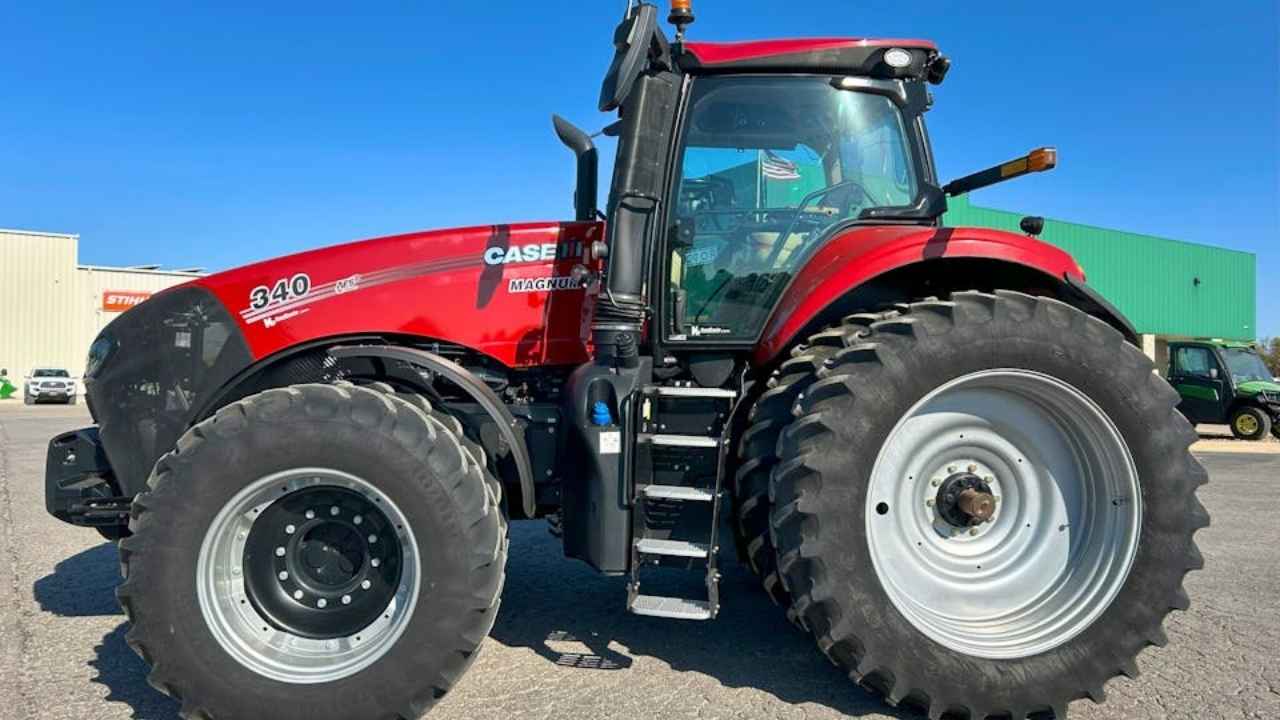
The Case Magnum 340 is made for farmers who need strong power, reliable field work, and modern controls in one large tractor. Whether you are pulling heavy tillage tools, running large planters, moving grain carts, or working long days. This tractor hits the sweet spot between raw strength and everyday usability.
In the U.S. market, the Case IH Magnum 340 is a popular choice for large row-crop farms. It also suits custom operators and producers.
They want a tractor that handles hard jobs. It does not feel oversized for every task. With its powerful engine, strong PTO output, comfortable cab, and advanced hydraulics, the Case Magnum 340 draws interest. It appeals to both new equipment buyers and used tractor shoppers.
If you are comparing high-horsepower tractors, this review covers key Case Magnum 340 specs. It also highlights performance strengths, comfort features, and real-world benefits.
Overview of the Case Magnum 340
The case magnum 340 belongs to the Case IH Magnum family, a lineup known for high horsepower, heavy-duty construction, and row-crop versatility. It is common in MFWD setups.
Used listings often highlight features like a PowerShift transmission. They may include a suspended front axle. They can also have dual tires. Some are ready for auto guidance. Others include high-flow hydraulics. Many offer multiple rear remotes.
Fastline listings for Case IH Magnum 340 tractors show models with 340 horsepower.
They list MFWD drive type, cab comfort, and a PowerShift transmission.
They also note PTO options and high-flow hydraulic setups. (fastline.com)
This tractor is not designed for light hobby farming. It is made for serious acreage, heavy implements, and long working seasons. For many farms, the Case IH 340 Magnum tractor can be a primary tillage tractor.
It can also be used for planting, grain carts, or other high-horsepower work.
The biggest appeal is balance. The 340 Magnum offers enough power for tough fieldwork. It still gives operators control and clear visibility for precision farming.
Importance of Tractors in Modern Agriculture
Modern agriculture depends on timing. When the weather window opens, farmers need equipment that can cover acres quickly and reliably. A tractor like the Case IH 340 Magnum helps producers work faster. It reduces downtime. It also lets them use larger implements with confidence.
Today’s high-horsepower tractor is more than a pulling machine. It also supports precision guidance, hydraulic control, PTO-driven tools, fuel management, operator comfort, and data-driven farming. That matters because planting delays, slow tillage passes, or equipment breakdowns can directly affect yield potential and profitability.
For U.S. farmers working across corn, soybeans, wheat, cotton, hay, and mixed operations, the case magnum 340 offers the kind of power and control needed for modern field conditions.
Specifications of the Case Magnum 340
The case magnum 340 specs vary slightly depending on model year, configuration, tire setup, transmission, and options. However, several core figures help define the tractor.
RitchieSpecs lists the Case IH Magnum 340 wheeled model with 340.7 advertised rated engine horsepower.
It also lists 410.4 maximum engine horsepower and 289.7 PTO horsepower.
The tractor has a 6-cylinder Case IH FPT engine with 531 cubic inches of displacement.
It has a 179.2-gallon fuel tank and a 26.2-gallon DEF tank. TractorData lists the Magnum 340 with 335 gross engine horsepower, 369 max horsepower, and 290 claimed PTO horsepower. It also notes four-wheel drive and power steering.
It has hydraulic wet disc brakes and a standard cab. The cab includes air conditioning and AFS. (TractorData)
These numbers tell a simple story: the case ih magnum 340 is built for heavy fieldwork, not occasional chores.
Engine Performance
The case magnum 340 uses a Case IH FPT 6-cylinder diesel engine. Engineers designed this engine platform to deliver high torque, strong pulling power, and dependable performance under heavy loads. For farmers, that means the tractor can hold power when pulling deep tillage tools, large planters, rippers, discs, field cultivators, or grain carts.
The engine uses direct fuel injection and turbocharged, aftercooled technology. Later models also meet Final Tier 4B emissions standards, which is important for U.S. buyers comparing newer used tractors.
Horsepower: Horsepower is one of the main reasons farmers search for the case ih 340 magnum tractor. With about 340 rated engine horsepower and around 290 PTO horsepower, this tractor handles demanding implements. Smaller row-crop tractors may struggle with them.
The power boost capability on some specifications gives the tractor extra output when the job requires it. That can be especially useful during transport, PTO work, or heavy field pulls where short-term extra power helps maintain speed and productivity.
For many jobs, the Magnum Case 340 has enough power for large-acreage work. It does this without moving into the biggest articulated tractor class.
Transmission System
Used Case Magnum 340 listings often include PowerShift models. Some versions may also have CVT options. This depends on the year and configuration.
Fastline listings show Magnum 340 tractor examples. They have PowerShift transmission and MFWD drive. They include dual tires, PTO, and a cab.
The cab has air and heat. They are ready for auto guidance. They also have a suspended front axle. They include several rear remotes.
A PowerShift transmission gives operators strong control during heavy fieldwork. It allows speed changes under load, which is helpful when field conditions change. A CVT-equipped model can provide smoother speed control. It may appeal to operators focused on transport, precise planting, or fuel-efficient operation.
Speed Ratings: Speed ratings can depend on transmission, tire package, and model configuration. Some used listings show road speeds near 30 mph for some Magnum 340 models. Other listings may vary based on setup. (fastline.com)
For U.S. farms where fields may be spread across multiple locations, transport speed matters. A tractor that moves efficiently between fields can save valuable time during busy windows.
Features of the Case IH 340 Magnum
Hydraulic System
The case ih 340 magnum is built to support modern hydraulic demands. Large planters, air seeders, carts, tillage tools, and advanced implements often need high hydraulic flow and multiple remotes. That is why many used Magnum 340 listings highlight high-flow hydraulics and four to six rear remote valves. (fastline.com)
For operators running complex implements, hydraulic capacity can be just as important as horsepower. Strong hydraulic performance helps maintain consistent implement function, lifting speed, downforce control, folding systems, and steering functions on hydraulic-demanding tools.
Pump Capacity and Flow Rate
Exact hydraulic pump capacity can vary by configuration and option package. Many tractors in this class were available with standard or high-capacity hydraulic systems. When shopping for a used Case Magnum 340, check the hydraulic pump option.
Confirm the number of rear remotes.
Check if Power Beyond is available.
Also confirm if it has high-flow hydraulics.
This detail matters because two tractors with the same horsepower can perform very differently with modern implements if their hydraulic systems are not equipped the same way.
Comfort and Control
Cab Design: The cab is one of the strongest selling points of the case ih magnum 340. Long workdays are easier when the operator has good visibility, climate control, a comfortable seat, and an organized control environment.
TractorData notes that the Magnum 340 comes with a standard cab with air conditioning and AFS. (TractorData) In practical terms, that means the tractor supports the kind of comfort and technology farmers expect from a modern high-horsepower machine.
A quiet, well-laid-out cab can reduce fatigue during planting, tillage, and harvest support. That may not show up directly on a spec sheet, but it matters a lot after 12 hours in the seat.
Control Layout: The Case 340 Magnum is designed for operators. It helps them manage power, speed, hydraulics, PTO, guidance, and implement functions with ease. Many used listings show auto guidance or auto guidance-ready packages, which adds value for precision farming operations. (fastline.com)
A good control layout allows the operator to make quick adjustments in the field. That can improve pass-to-pass consistency, reduce overlap, and make large-acreage work less stressful.
Advantages of the Magnum Case 340
Fuel efficiency depends on load, speed, soil conditions, implement size, ballast, tire pressure, and operator habits. Still, the magnum case 340 gives farmers the advantage of matching a high-horsepower engine with advanced transmission and control options.
When properly ballasted and matched to the right implement, the tractor can help reduce wasted power. That matters because fuel is one of the largest operating costs on a large farm.
For best results, operators should monitor engine load, avoid unnecessary wheel slip, set tire pressure correctly, and use guidance tools to reduce overlap.
Versatility in Farming Tasks
One of the best reasons to consider a case ih 340 magnum tractor is versatility. It can handle many jobs across the farm, including:
- Primary and secondary tillage
- Large planter work
- Grain cart operation
- Heavy mowing or shredding
- Manure application
- Large hay tools
- High-capacity transport
- PTO-powered field equipment
The tractor has enough power for demanding jobs, but it still fits many row-crop operations better than a larger articulated tractor. That makes it useful for farms that want one tractor to cover several roles.
Durability and Reliability
The case magnum 340 is built for demanding work. Its heavy frame, high-output engine, wet disc brakes, power steering, and high-capacity drivetrain make it suitable for long seasons and tough field conditions.
Of course, reliability also depends heavily on maintenance history. When buying used, shoppers should review service records and engine hours. They should check transmission performance and hydraulic response. They should also inspect the DEF system, tire wear, PTO operation, and guidance electronics.
Used market demand also shows that the tractor remains relevant. Machinery Pete listed 53 used Case IH Magnum 340 tractors, with prices ranging from $80,000 to $382,500 at the time of review. (machinerypete.com)
Fastline also showed active Case IH Magnum 340 listings. These included 2020–2024 models with MFWD and PowerShift. They also had high-flow hydraulics, dual tires, and several remote hydraulic options. (fastline.com)
Buying a Used Case Magnum 340 in the United States
For U.S. buyers, the used case magnum 340 market offers a wide range of choices. Price can change a lot based on the year and hours.
It also depends on tire condition and transmission type.
Hydraulic setup and guidance package can affect the price.
Front suspension and PTO options can change the cost.
Dealer location can also impact the final price.
Before buying, check these points carefully:
A well-equipped Case IH Magnum 340 can be a strong long-term investment. It is ideal for farms needing dependable 300+ horsepower performance.
The case ih 340 magnum stands out because it gives farmers a practical mix of power, precision, comfort, and field versatility. It is strong enough for demanding jobs, yet easy to handle in row-crop work where control and visibility matter.
For buyers in the United States, the Case Magnum 340 is still a smart tractor to compare. It suits those needing 300+ horsepower, solid reliability, strong resale demand, and wide used-market availability. Whether you call it the Case IH Magnum 340, Case 340 Magnum, or Magnum Case 340, it means the same.
This tractor is built to work hard and keep modern farms moving.