
Contents
Farmers around the world are facing a new wave of pressure as nitrogen fertilizer supplies tighten and prices climb. With a large share of traded urea coming from the Gulf region, disruption around the Strait of Hormuz has quickly turned into a serious concern for global agriculture.
For many growers, the problem is simple but urgent: crops still need nutrients, even when fertilizer markets become unpredictable. As a result, farmers are looking beyond conventional chemical fertilizers and testing older, cheaper, and more locally available options.
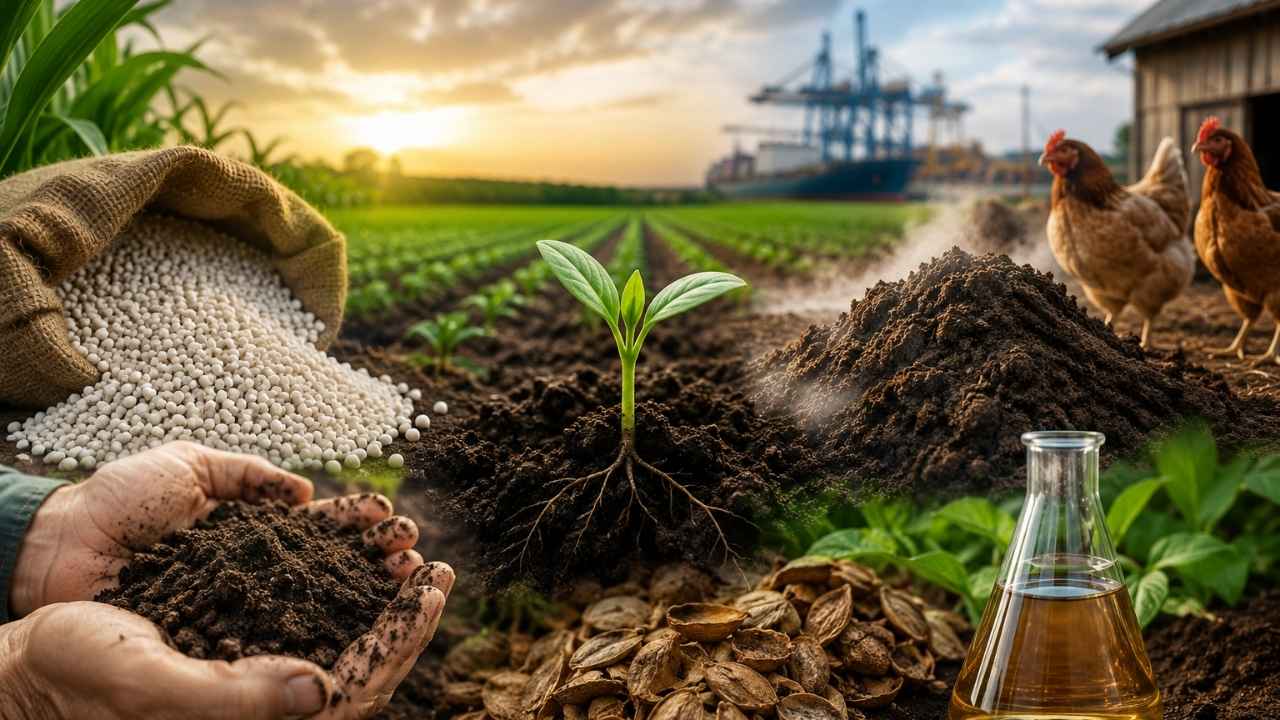
One of the most common alternatives is manure. Chicken manure, livestock waste, composted organic material, and other natural inputs are suddenly attracting more attention as growers try to reduce costs before the next planting season.
Why Urea Fertilizer Prices Matter
Urea is one of the most widely used nitrogen fertilizers in the world. Farmers rely on it because nitrogen plays a key role in plant growth, crop strength, and final yield. When urea becomes expensive or difficult to source, the impact can spread quickly across food production systems.
Higher fertilizer costs can force farmers to apply less product. That may lower yields, reduce farm profits, and eventually push food prices higher for consumers. The risk is especially serious because planting decisions are made months in advance. A fertilizer shock today can affect harvests well into the next growing season.
Manure Makes a Comeback
As chemical fertilizer prices rise, some farmers are turning back to traditional soil inputs. Poultry manure, cattle waste, and worm-enriched compost are becoming more valuable because they can provide nutrients at a lower direct cost.
Manure is not a perfect replacement for synthetic nitrogen fertilizer, but it can help reduce dependency. It also improves soil organic matter, supports microbial activity, and may contribute to better long-term soil structure.
However, transport costs, nutrient inconsistency, and limited supply remain major challenges. A farmer may find cheap manure locally, but moving it across long distances can quickly reduce the savings.
Biofertilizers Gain New Momentum
The fertilizer crisis is also creating new interest in biofertilizers and biostimulants. These products use microorganisms, natural compounds, or waste-based materials to support plant growth and reduce the need for synthetic inputs.
Some companies are developing products from unusual sources such as human urine, almond shells, livestock waste, and beneficial bacteria. These solutions are designed to help plants absorb nutrients more efficiently or stimulate stronger root development.
For years, adoption was limited because many farmers saw biological products as less predictable than conventional fertilizers. But when urea prices rise sharply, growers become more willing to experiment.
Startups See a Bigger Opportunity
Agricultural technology startups are moving quickly to take advantage of the shift. Companies offering microbial fertilizers, biological soil products, and waste-based nutrient solutions are trying to prove that their products can deliver reliable results at scale.
Some firms are lowering prices to attract new customers, while others are expanding production capacity. The current crisis gives these companies a chance to move from niche markets into mainstream agriculture.
Still, scaling up remains difficult. Many biological inputs require careful handling, consistent field conditions, and strong farmer education. If performance varies from one farm to another, adoption may slow once conventional fertilizer prices stabilize.
Organic and Waste-Based Fertilizers Have Limits
Although alternatives are gaining attention, experts and farmers warn that they cannot fully replace synthetic fertilizers overnight. Manure and biofertilizers can support crop production, but nutrient levels are often less precise than commercial fertilizer blends.
There are also lessons from past policy mistakes. Sudden transitions away from chemical fertilizers can create serious production problems if farmers do not have enough reliable alternatives. Crop systems built around high yields usually need a balanced and predictable nutrient supply.
In other words, manure, compost, and bio-based products can help, but they are not a magic solution.
What This Means for Global Food Supply
If fertilizer disruptions continue, the consequences could reach far beyond individual farms. Lower fertilizer affordability can lead to weaker harvests, tighter grain supplies, and higher grocery prices.
The pressure may be especially difficult for farmers in regions where fertilizer already represents a large share of production costs. Smaller farms may struggle the most because they have less flexibility to absorb sudden price increases.
At the same time, the crisis may accelerate innovation. More farmers are now comparing chemical fertilizers with biological products, manure systems, and circular farming methods. Even if synthetic fertilizers remain essential, the market for alternatives could grow faster than expected.
Are Alternative Fertilizers the Future?
The current fertilizer shock is forcing agriculture to rethink its dependence on synthetic nitrogen. Farmers are not abandoning conventional fertilizers completely, but many are becoming more open to mixing different nutrient sources.
The most realistic future may not be a full replacement of chemical fertilizers. Instead, farmers may use a blended approach: synthetic fertilizers where precision is needed, manure where it is available, and biological products where they can reduce costs or improve soil health.
For now, one thing is clear: as fertilizer prices rise, every affordable nutrient source becomes more valuable. From chicken manure to microbial solutions, alternatives that once looked secondary are now becoming part of serious farm management decisions.