
Contents
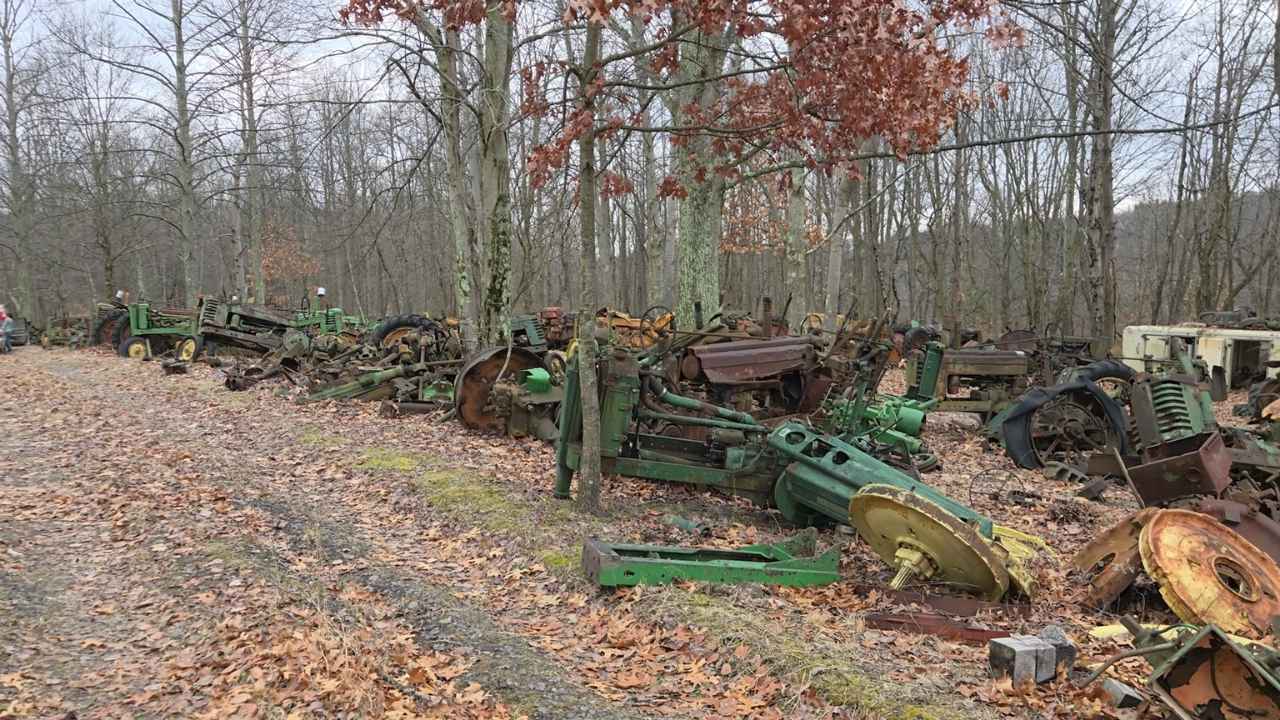
There’s something almost surreal about walking through an old tractor salvage yard. Rows of faded green, red, and orange tractors sitting quietly in the weeds. Some are missing engines. Others have no tires, no hoods, or half their parts stripped away years ago. To most people, it looks like a graveyard. But to tractor enthusiasts and farmers? It’s a goldmine.
Recently, I stopped by a tractor salvage yard in Western Pennsylvania, the kind of old-school place where you grab your own tools, pull your own parts, and walk up front hoping the owner gives you a fair price. Places like this are becoming rare in 2026, especially as older farm equipment parts become harder to find and more expensive online.
And honestly? Walking through rows of old John Deere tractors made me realize something: salvage yards are keeping classic farm equipment alive.
Why Tractor Salvage Yards Matter More in 2026
Modern farming equipment is packed with electronics, sensors, and proprietary systems. But older tractors? They were built differently. Simpler. Stronger. Easier to repair.
That’s why demand for used tractor parts salvage yards has exploded recently. Farmers restoring vintage tractors or keeping old workhorses running often prefer original OEM parts over cheap aftermarket replacements.
In many cases, the original 1940s or 1950s steel components actually fit better and last longer than modern reproductions.
At this Pennsylvania yard, there were mostly old John Deere A and B tractors, along with scattered Case, Farmall, Oliver, and Massey Harris machines. A few tractors were nothing more than rusted carcasses. Others still had valuable parts hiding on them.
That’s the thing about salvage yards. You never really know what you’ll find until you start walking around.
The Hunt for Rare John Deere Parts
One tractor immediately stood out to me. It was an old John Deere Model A leaning slightly to one side, probably a late 1939 or early 1940 model based on the styling and components.
Now, most people would walk right past it.
But if you know these tractors, little details matter.
This one still had the original crankcase cover without an extra homemade dipstick hole drilled into it. That may sound minor, but finding untouched original parts for early John Deere tractors is getting harder every year.
Even more interesting, it still had the old 12-spline axles, something collectors actively search for when restoring tractors back to factory-original condition.
That’s the beauty of old tractor salvage yards. One rusty machine can contain dozens of impossible-to-find components:
- original drawbars
- PTO assemblies
- wheel hubs
- gas tanks
- shutters
- factory hitches
- steel wheels
- transmission housings
Sometimes a single part is worth more than the entire tractor sitting in the weeds.
Why Salvage Yards Beat Online Shopping
A lot of people search online first when they need tractor parts. eBay, Facebook Marketplace, auction sites — they all have their place.
But there’s still something unbeatable about physically walking a salvage yard.
Photos online don’t always show cracks, weld repairs, or worn splines. In person, you can inspect casting numbers, check for rust damage, and compare parts directly against your own machine.
And let’s be honest — there’s also the excitement factor.
You walk into a salvage yard looking for one thing and leave finding five others you didn’t even know you needed.
One of the coolest things about this yard was seeing all the generations of John Deere tractors lined up together. Mostly A’s and B’s, but there were also some 2010s and even what looked like a rough 3020 sitting farther back.
Most of the rims and tires had already been removed and organized into another section of the yard. Smart move honestly, since usable tractor rims alone can sell for serious money today.
The Hidden Value in “Parts Tractors”
People throw around the term “parts tractor” all the time, but many of these machines are historically important.
That old farmer-made aftermarket 3-point hitch bolted onto one tractor? Technically not original. But it tells a story about how farmers adapted equipment decades ago to keep machines useful.
You see creativity everywhere in these yards:
- homemade repairs
- custom modifications
- welded brackets
- swapped engines
- hand-built accessories
Some restorers hate seeing non-original modifications. Personally, I think they’re fascinating. They show how farmers solved problems long before YouTube tutorials existed.
And occasionally, you’ll find something truly rare.
Steel wheels. Early styled grills. Factory options that only existed for a few production years.
That’s why experienced collectors spend hours slowly walking salvage yards. The best finds are usually hiding under weeds or half buried in mud.
Tips for Buying Used Tractor Parts From Salvage Yards
If you plan on visiting a tractor salvage yard yourself, here are a few things I’ve learned over the years:
Bring tools
Many old-school yards operate on a pull-your-own-part system. Bring sockets, breaker bars, penetrating oil, gloves, and a battery-powered impact if possible.
Check casting numbers
Never assume a part fits just because it looks correct. Small year-to-year differences matter a lot with older tractors.
Pay special attention to:
- axle housings
- transmission cases
- drawbars
- hubs
- steering components
Old cast iron can crack internally even if the outside looks decent.
Don’t ignore rusty tractors
Sometimes the ugliest tractors have the best original parts because nobody else bothered looking closely.
Ask about additional inventory
Many salvage yards store tires, rims, and sheet metal separately from the main tractor rows.
The Future of Tractor Salvage Yards
Honestly, places like this feel almost timeless.
But they’re changing fast.
In 2026, rising scrap prices and increasing demand for vintage tractor parts mean many salvage yards are becoming more organized and more valuable than ever before. Some even track inventory digitally now.
At the same time, older tractors continue disappearing from farms every year.
That’s why these salvage yards matter. They preserve agricultural history while keeping classic tractors alive for another generation.
Without places like this, thousands of old John Deere, Farmall, Oliver, and Massey Ferguson tractors would disappear forever.
And maybe that’s why walking through a tractor salvage yard feels different from any other kind of junkyard.
You’re not just looking at scrap metal.
You’re looking at decades of farming history waiting for one more chance to work again.